The New Visual Vocabulary: 5 Stock Photography Trends Dominating Creative Searches Right Now
If you've been paying attention to what's happening in the world of licensed imagery lately, you've probably noticed something: the old stock photo clichés are dying a slow, overdue death.
You know the ones. The handshake over a glass conference table. The laughing-salad woman. The generic "diverse team" shot where everyone is suspiciously well-lit and inexplicably thrilled about a bar graph. These images built entire industries — and then they became the punchline of a thousand marketing memes.
What's replacing them is far more interesting. The creatives, marketers, and brand strategists who are doing the most compelling work right now are hunting for something different. They want images that feel true. And the stock photography market is scrambling — in a good way — to keep up.
Here's what's actually driving search volume and licensing decisions in 2026.
1. Authentic Aging: Real Representation of Older Adults
For too long, stock photography's version of "older adults" meant one of two things: silver-haired couples walking on a beach, or a grandparent looking confused by a smartphone. Neither one was particularly useful for brands trying to speak honestly to the 50+ demographic — which, by the way, controls a massive chunk of US consumer spending.
That's changing. Designers and marketers are actively seeking licensed images that show older Americans living full, complex, modern lives. We're talking about a 68-year-old woman at a startup pitch, a retired man learning to surf, older friends laughing at a concert that isn't a jazz brunch. The demand for this kind of imagery has spiked noticeably, and platforms are responding by expanding their collections with more nuanced, less patronizing portrayals.
"Our clients in the healthcare and financial services space are constantly asking for images that don't make older adults feel like a target demographic," says one Chicago-based brand designer we spoke with. "They want dignity and vitality, not stock photo 'old person energy.'"
2. Neurodiversity and Disability Visibility
This might be the most underserved category in stock photography history, and the gap is finally starting to close. American brands are waking up to the fact that approximately one in four US adults lives with some form of disability — and almost none of them see themselves reflected in mainstream visual media.
The demand for imagery featuring people with visible disabilities, assistive devices, neurodivergent experiences, and non-normative bodies has grown substantially. And critically, creatives aren't just looking for any representation — they want images that feel integrated and natural, not performative or tokenistic. A wheelchair user at a rooftop bar with friends. An autistic child fully engaged in a classroom activity. A Deaf couple having a conversation in ASL at a coffee shop.
Licensing platforms that have invested in building these collections are seeing real traction. It's not charity work — it's a market responding to genuine demand from brands that want their visual language to reflect the actual diversity of American life.
3. The "Anti-Hustle" Aesthetic: Slow Living and Intentional Moments
This one's a cultural shift as much as a visual one. After years of stock imagery glorifying grind culture — laptops at 2 a.m., aggressive networking poses, motivational-poster body language — there's a strong countercurrent emerging.
Creatives are licensing images that celebrate stillness, presence, and the unglamorous beauty of everyday life. A person reading in a messy apartment. Someone tending a small garden on a city balcony. Friends sitting quietly together without performing joy for the camera. The wellness industry pioneered this aesthetic, but it's spreading into sectors as varied as financial planning, home goods, and even B2B software.
The insight here is that consumers are tired of being sold aspiration. They want to feel seen. And the brands smart enough to license imagery that mirrors real life — imperfect, quiet, human — are building the kind of emotional connection that converts into loyalty.
4. Hyperlocal Americana: Beyond Coastal Archetypes
For a country as geographically and culturally varied as the United States, stock photography has historically been shockingly coastal-centric. If you wanted imagery that felt "American," you got New York City streets or Los Angeles beaches. The vast middle of the country — its small towns, regional cultures, agricultural communities, and diverse urban centers like Memphis, Albuquerque, or Louisville — was largely invisible.
That's changing fast. Brands targeting heartland consumers, regional campaigns, and local markets are actively searching for licensed imagery that reflects their actual audience's environment. Rust Belt manufacturing communities. Gulf Coast fishing culture. The specific visual texture of a Midwest college town or a Southern BBQ joint.
"When we're building campaigns for regional clients, we need imagery that doesn't scream 'this was shot in Brooklyn,'" one Minneapolis-based creative director told us. "People can tell. And when they can tell, it breaks trust."
Stock platforms that have invested in geographic diversity — not just demographic diversity — are becoming genuinely valuable tools for agencies doing regional work.
5. Process Over Polish: Behind-the-Scenes and "Made" Imagery
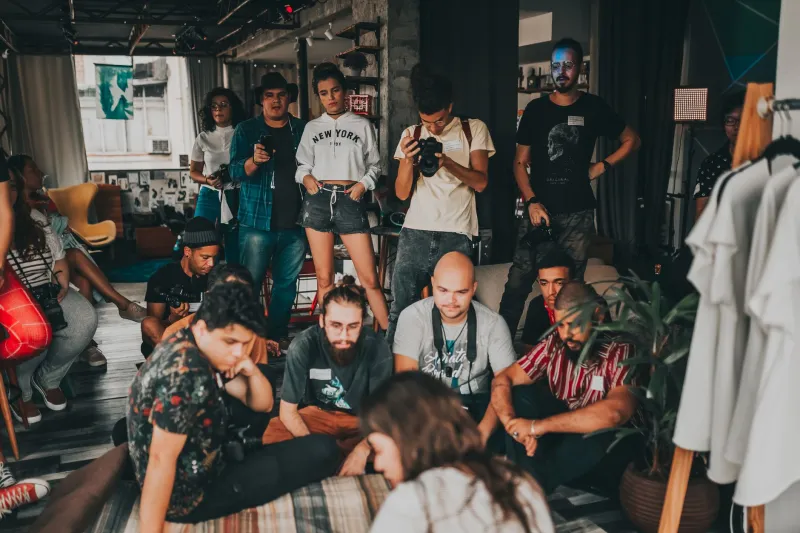
There's a growing appetite for stock photography that shows how things get made — not just the finished product in perfect lighting. Hands covered in clay. A chef mid-prep with a messy counter. A graphic designer's cluttered desk with sketches and sticky notes everywhere. The creative process, the craft, the beautiful mess of making something.
This trend is being driven partly by the authenticity wave that's swept social media, and partly by a broader consumer desire to connect with the human effort behind products and services. Brands in food, fashion, art, and maker culture are licensing these images aggressively. And as more marketing shifts toward content-first strategies — newsletters, editorial platforms, branded storytelling — the demand for process-driven imagery is only going to grow.
What This All Means for How You License
The through-line across all five of these trends is the same: audiences are demanding visual honesty. They want to see themselves, their communities, and their actual lives reflected in the imagery brands use to speak to them.
For creatives, that means rethinking search habits. It means going deeper into collections, being more specific with search terms, and treating licensed imagery as a genuine storytelling tool rather than a visual placeholder.
The good news? The supply is catching up to the demand. Stock photography collections are broader, more nuanced, and more culturally attuned than they've ever been. The visual vocabulary available to you right now — if you know how to search for it — is genuinely extraordinary.
At Stockpholio, that's exactly the kind of discovery we're built for. Because every creative vision deserves imagery that's as real, specific, and alive as the idea behind it.