Representation Shouldn't Cost Extra: Unpacking the Price Gap in Diverse Stock Imagery

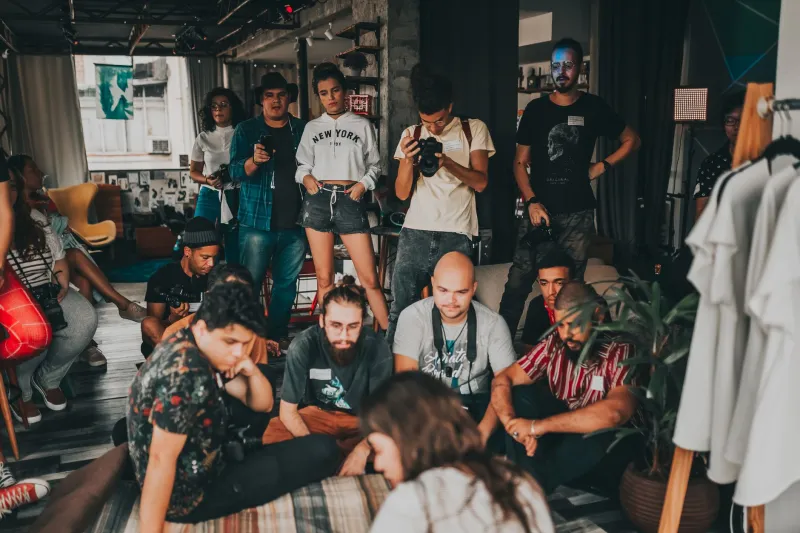
Here's a scenario that's more common than the stock industry likes to admit: a creative director, committed to building a campaign that actually reflects the diversity of her audience, searches for imagery featuring people of color, people with disabilities, or LGBTQ+ representation. She finds options. Good ones, even. But when she compares the licensing costs to the generic, predominantly white, able-bodied imagery that still dominates most library homepages, something feels off.
Sometimes the prices are comparable. Sometimes they're not. And the inconsistency itself raises a question worth examining honestly: Is authentic representation being priced as a premium — and if so, who bears that cost?
What the Pricing Landscape Actually Looks Like
Let's be clear upfront: stock photo pricing is complex, and there's no universal evidence of a blanket "diversity surcharge" baked into platform algorithms. Pricing on major stock platforms is typically driven by factors like image resolution, license type, contributor exclusivity, and collection tier — not the demographics of the subjects photographed.
But here's where things get nuanced.
The most affordable images on most platforms — the ones sitting in the standard or basic tiers — tend to skew heavily toward a certain visual aesthetic. Bright, generic, and not particularly diverse. The images that do feature authentic, non-tokenistic representation of underrepresented groups are, with notable frequency, clustered in premium or editorial collections. Not because platforms are deliberately pricing out inclusive imagery, but because the economics of producing that content have historically lagged behind demand.
For years, diverse imagery was simply underproduced. Fewer photographers were commissioned to create it. Fewer contributors from underrepresented communities were recruited to shoot it. The result: scarcity. And scarcity, in any marketplace, tends to push prices up.
The Supply Problem Behind the Price Tag
The stock photography industry has a well-documented historical bias toward what's been called the "default" visual — images that center white, Western, able-bodied, heteronormative subjects as the standard. This wasn't always a deliberate editorial choice so much as a reflection of who was behind the camera and who was commissioning the shoots.
As demand for diverse imagery has surged — particularly following the cultural reckonings of 2020 — platforms scrambled to expand their libraries. Several launched dedicated diversity initiatives, partnered with photographers from underrepresented communities, and created curated collections spotlighting inclusive content. These are real, meaningful steps forward.
But curated specialty collections come with their own pricing structures. When diverse imagery gets siloed into "premium" or "featured" collections, even with genuinely good intentions, the practical effect for a budget-constrained creative is that authentic representation costs more than the default.
What Creatives Are Actually Experiencing
Talk to art directors and content creators working in the US market and you'll hear consistent frustrations:
"The diverse images that don't look like stock photos — the ones that feel real and specific — those are almost always in the higher-priced tiers," says one freelance art director working with nonprofit clients. "My clients have tight budgets and big commitments to representation. It's a real tension."
A digital marketing manager at a healthcare company put it differently: "We've had to get creative. We use a mix of platforms, we look at newer contributors, we search more specifically. But it takes more time, and time is money too."
That time cost is real and often invisible in budget conversations. When the "easy" search returns affordable, abundant imagery that doesn't reflect your audience, and finding authentic representation requires deeper digging, multiple platform subscriptions, or higher per-image spend, the cumulative cost of inclusive sourcing adds up in ways that don't always show up on a line item.
Strategies for Sourcing Inclusive Imagery Without Overpaying
The good news: the gap is narrowing, and there are practical ways to source diverse, high-quality imagery without consistently paying a premium.
Search more specifically. Broad searches for "family" or "business meeting" will surface the most popular (and often least diverse) results. More specific searches — by location, activity, cultural context, or community — often surface a wider range of representation at standard pricing.
Explore newer contributors. Established, high-demand photographers command higher prices on most platforms. Newer contributors — many of whom are actively diversifying stock libraries — often price their work at lower tiers while offering fresher, more authentic imagery.
Look beyond the major platforms. Several independent and community-focused stock libraries have been built specifically to address the representation gap — TONL, Nappy, and CreateHER Stock among them. Licensing terms and pricing vary, but these sources often offer genuinely diverse imagery at accessible price points.
Use editorial collections strategically. Editorial-licensed images (typically lower cost) can work for certain digital placements like blog posts, social media, and internal presentations, even if they can't be used in commercial advertising. Know your use case before defaulting to commercial licensing.
Advocate for budget alignment with values. If your organization is publicly committed to diversity and inclusion, that commitment should be reflected in the creative budget. Making the case for slightly higher per-image spend in exchange for authentic representation is a conversation worth having — and one that's increasingly resonating with leadership.
The Bigger Systemic Question
Is it fair that authentic representation sometimes costs more? No. And most people working in the stock industry would agree. The pricing disparity isn't a policy — it's a market symptom of decades of underinvestment in diverse creative production.
The longer-term fix requires continued investment in diverse photography talent, intentional recruitment of contributors from underrepresented communities, and platform structures that don't inadvertently price inclusive imagery out of standard tiers. Several platforms are actively working on this. Progress is real, if uneven.
For now, creatives navigating this landscape are doing the hard work of holding two things at once: a genuine commitment to representation and a real-world budget that doesn't always cooperate. That's not a personal failure — it's a structural problem worth naming clearly.
At Stockpholio, we believe the best creative work reflects the full breadth of human experience. And that reflection shouldn't come with a surcharge.